Vue Mai – A Committed and Self-sacrificial Leader

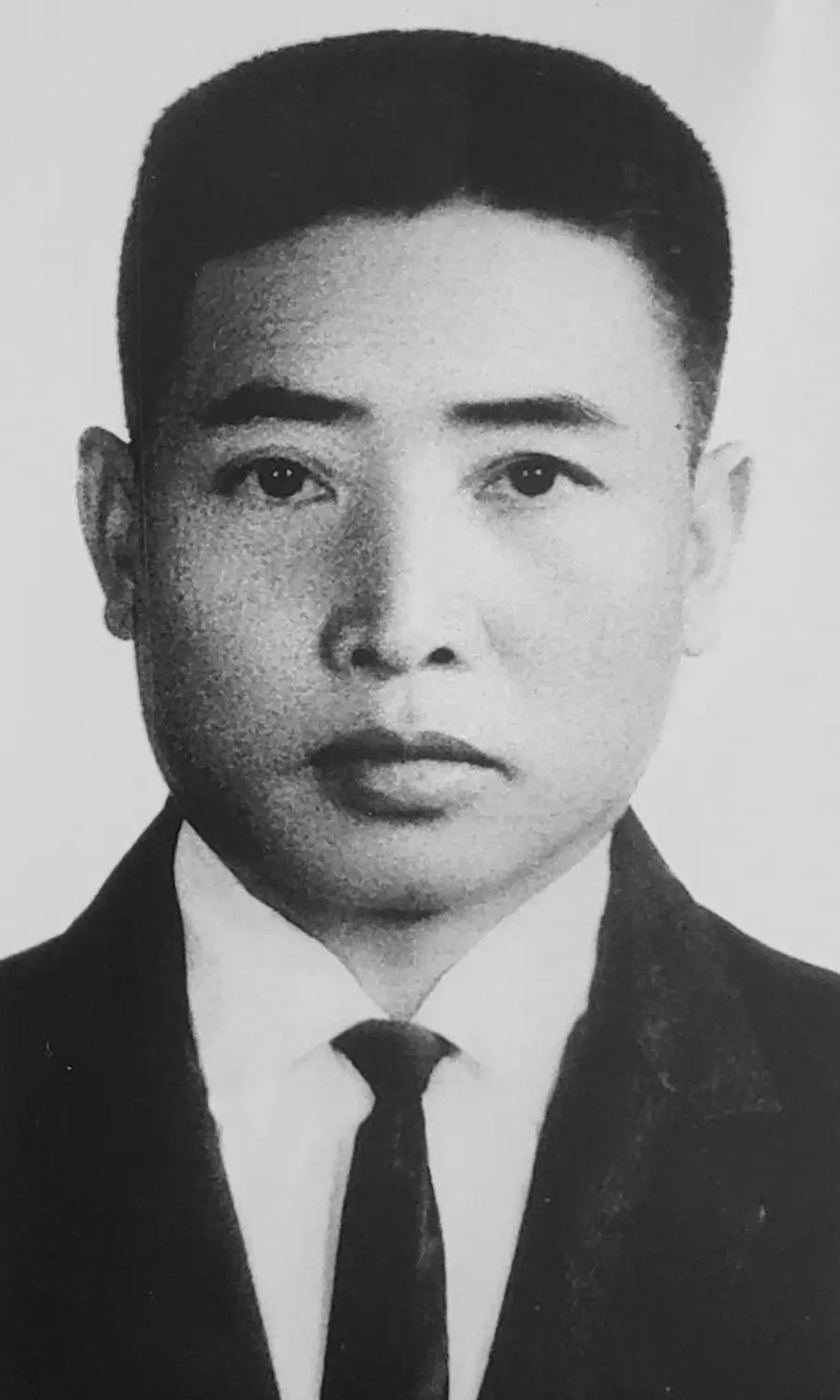
Vue Mai

Vue Mai was born on February 2, 1936, in Xiangkhouang province. His father is Chong Neng Vue, a well-respected leader of the Vue clan who passed away in the early 1980s at Ban Vinai refugee camp in Thailand. Vue Mai was the only son and had one younger sister who passed away in the late 1990s here in the United States. He married two wives. His first wife was Mo Plia Lee, and his second was Chao Lee. He had a total of seven boys and one girl combined. His first wife passed away in 1998, and three of the oldest sons also passed away. Those still living are his second wife, four of his younger sons, and a daughter.

As a teenager, he served as a Lieutenant in the Royal Lao Armed Forces from 1957 to 1961. By 1962, he was ranked as a Major, commanding the battalion 2nd BV 21-2 unit for the Royal Lao Armed Forces and CIA’s Special Guerrilla Unit (SGU). During the Vietnam War, he was among the Hmong who fought in a CIA-supported army against the communists alongside General Vang Pao. He was a respected leader of the Hmong resistance. Many of the Hmong leaders in the United States said Vue Mai knew all the key players inside and outside Laos.

After the war ended in 1975, he and his family escaped to Thailand and settled in Ban Vinai refugee camp. By 1978, he became the Ban Vinai refugee camp leader and served until it was closed down in 1992. In 1979, his second wife, Chao Lee, and three of his younger children came to live in the United States. Later, in 1985, his first wife and the rest of his children also settled in the United States. As a refugee camp leader, he had the privilege of visiting his family in the United States many times, with his last visit to the United States in 1991.

In 1992, he was given two options: one, he could resettle in the United States, reuniting with his family, or two, he could set an example for the Hmong refugees by leading them back to Laos. Before making his decision, the United Nations High Commissioner for Refugees (UNHCR) and U.S. State Department officials met with him regularly, encouraging him to return and assuring him of his safety. Vue Mai felt he would be neglecting his greater duties as a Hmong leader if he didn’t return. He sincerely had faith in the UNHCR repatriation program. Then, in November 1992, he repatriated to Laos. While in Laos, he limited his contacts to only a handful of Lao government and UNHCR officials. He kept a distance from other visitors, knowing that the Lao government was closely monitoring him. The following year, on September 11, 1993, he disappeared. No one knew what happened to Vue Mai. He was an astonishing leader, committed to his people and duties. He had shown outstanding leadership during the war and a time when his people needed him the most in the refugee camp. His spirit and determination live on in the Hmong people’s hearts.

Credit to former VNA President Adam Vue and his Administration

Lwm Qaib Tau Nyab Tshiab

Tus qaib uas yuav coj los Iwm yuav tsum yog tus lau qaib liab los yog tus lau qaib dub wb, tus qaib no yuav tsum yog tus qaib qua qaws, yog tsis muaj qaib siv ib khub xyab los lwm kuj tau thaib. tsis txhob siv qaib dawb los yog qaib cuas luam. Muab yus sab tes xis tuav tus qaib 2 sab taw, muab sab tes laug mus tuav tus gaib lub hauv siab, kev, Iwm yuav tsum Iwm mus sab xis xwb.

Cov lus wm

Auv! Hnub no zoo hnub, hmo no zoo hmo, hnub no yog hnub dawb hmo no yog hmo huv, kuv tus tub coj tau nyab los txog vaj txog tsev lawm, kuv ua txiv kuv yuav los Iwm tub thiab nyab nkawv. Kuv Iwm no kuv yuav tsis lwm nkawv plig tub nyob luag li ntxhub, plig ki nyob luag li ntxhi, kuv yuav tsis Iwm nkawv kev txij kev nkawm, nkawv ntaub noj
mus ntawv haus.

Kuv yuav los wm nkawv niag sub dub, sub doog, vij dab vij npog, vij tuag saum txaj, vij tuag saum chaw, kua muag iab coj kua muag daw, kws txaij kws nraug, kev phem kev tsis zoo kuv yuav muab Iwm huv tib
si kom cua tshuab li kaus mus rau dej, dej tshoob li ntws mus rau zaj zeg, zaj zeg tshoob li qho mus rau zaj qhov, ntws li nroos rau hiav looj hiav txwv kom ntsej tsis hmov muag tsis pom, mas kom kuv tus tub thiab tus nyab no los ua lub neej nyob kom muaj tub muaj ki, kom tub ki mas vam nkaus xws xub ntab, vam nroos xws xub muv, ua lub neej nyob mas kom thiab thiab niaj kom tsis muaj mob, txhiab txhiab xyoo kom tsis muaj nkeeg, los ua lub neej nyob mas kom muaj nyiaj muaj txiaj, khwv kub los kom tau kub khwv nyiaj los kom tau nyiaj, ua yam twg los kom tau yam tawd, thiab los ua lub neej nyob mas kom tsuas muaj huaj vam huaj thaij wb lau!

Download File

Naikong Nhia Pao Vue – A Humble and Perseverance Leader

Naiskoo Nhia Pao was a gifted and remarkable man who touched and inspired each individual he interacted with throughout his life. Whether with his family, relatives, fellow soldiers, villagers, clan leaders, or political leaders, in each interaction, he displayed love, humbleness, and sincerity for the well-being of everyone around him. Naiskoo Nhia Pao was born on June 10, 1915 and grew up in Havtais, Xeev Khuam, Laos. At a young age, Nhia Pao was thrust into war by patrolling the northern Plain of Jars region alongside General Vang Pao. In 1952, he was elected and served as Phubtoom of Havtias. He eventually was elected and served as a Toj Xeem Phuv Xam between 1960-64. In 1962, he and his family moved to live in Bouam Long. In 1964, Nhia Pov was elected Naiskoo of Bouam Long, a position he held until the war’s end in 1975. In 1960, Naiskoo Nhia Pao was one of a few men who strategically selected Bouam Long, a massif, and fortified it as a safe haven for surrounding small villages like Havtias. The goal was to secure a safe sanctuary for relocating Hmong villagers during the war. Bouam Long, also known as Lima Site 32, became an important stronghold base camp during the “Secret War,” where some of the most epic battles took place-preventing the domino theory fall of Laos where the North Vietnamese needed to seize and secure Bouam Long first, in order to advance to Long Cheng, Vientiane, and eventually Thailand. Under siege, Bouam Long was lit up as aircrafts dropped night flares to prevent night attacks from the North Vietnamese. Naiskoo Nhia Pao’s aircraft was once shot down, but he was rescued before being captured. Under Naiskoo Nhia Pao’s leadership, Bouam Long became a fortress for the US and its allies from 1960 to 1975 as it consistently prevailed in every attack staged by the North Vietnamese and only fell when the US pulled out of the war. Despite his fearless leadership, Naiskoo Nhia Pao often credited his survival and successes as “muaj moo” and praised his soldiers for their bravery and unrelenting commitment to ensuring his safety and the safety of the Hmong villagers and other soldiers. In 1975, Naiskoo Nhia Pao sought refuge in Thailand and eventually resettled in Kaukauna, Wisconsin, in 1980 as a political refugee. In the United States, he continued to lead by serving as an advisor and board member of the Hmong American Partnership. He participated frequently in community dialogue, cultural practices, and mediation to address external and internal challenges within the Hmong community. Naiskoo Nhia Pao became a US citizen in 1989. Naiskoo Nhia Pao played a significant role in stopping and containing the communist movement in Laos. His intellect and actions saved countless lives and gave many hope and safety in the war’s darkest hours. He often engaged in servant leadership and shared his perspective that leaders must “hlub txhua leej txhua tus sib npaug. Yuav tsum hlub tus hlob tus yau, tus tub tus ntxhais, tus mauj tus pluag, tus ntse tus ruam.” He believed that “ib leeg txawj ib yam ces peb sawvdaws muaj nuj nqi ib yam, “Naiskoo Nhia Pao Vue. Naiskoo Nhia Pao breathed experiences, wisdom, love, and perseverance. His stories, calmness, and laughter reminded us that the measurement of life is the strength of family. He truly was a KEEPER OF VISIONS, A GUARDIAN OF HOPE.

Credit to President Adam Vue and Fim Long Vue

Pa Chay Vue: The Leader of Rog Paj Cai (1917 – 1921)

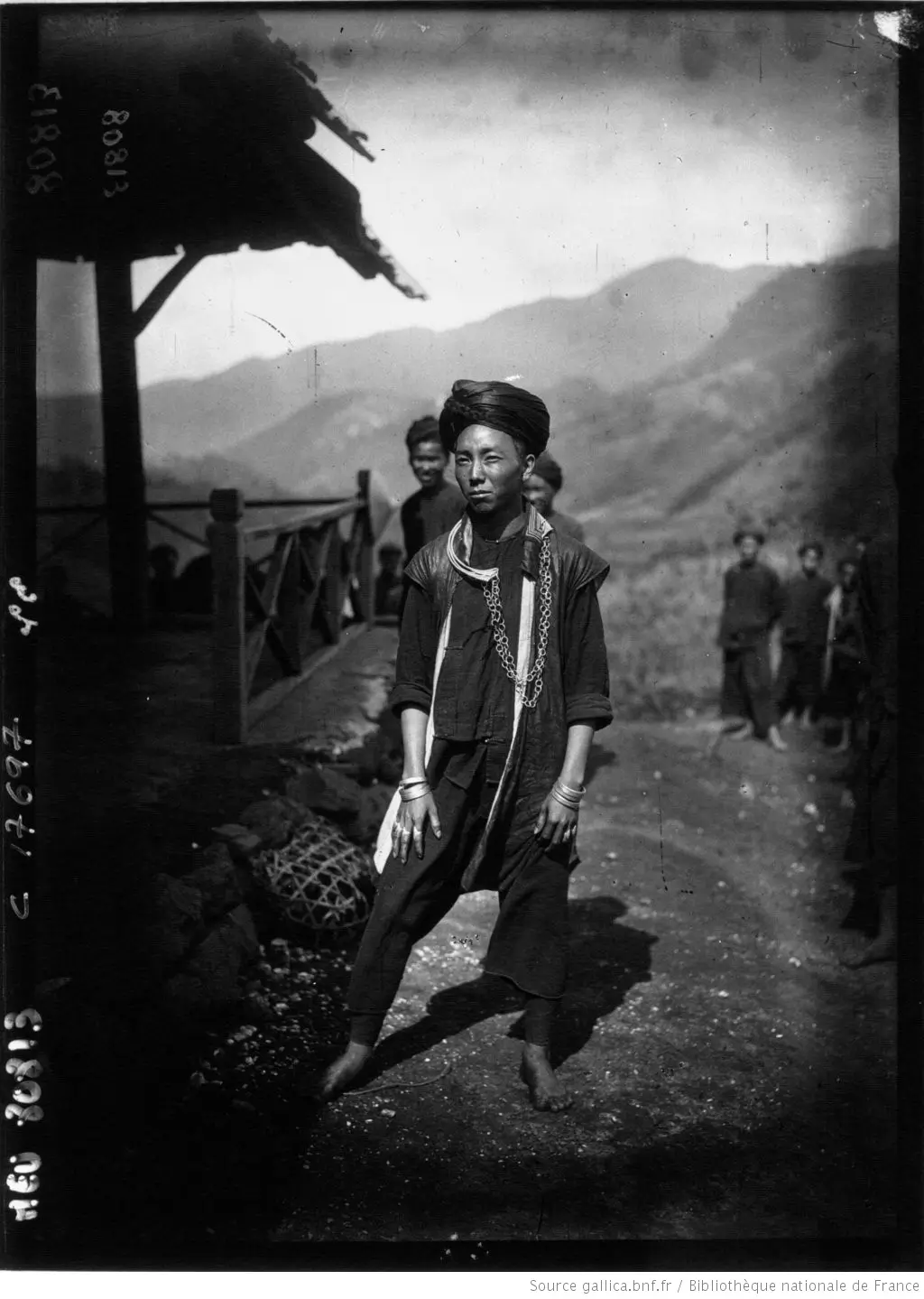
After World War I, a time when tax was imposed heavily on the people of Indochina, the Hmong people were among those groups that were forced upon this burden to pay tax. A revered Hmong hero emerged to uphold justice to free the Hmong people from the French colonial oppressor. This hero was called Pa Chay Vue, the leader of Rog Paj Cai. Many of his followers believed that God chose Pa Chay Vue to inaugurate a footing of freedom and a good life for the Hmong people.

Pa Chay Vue was born in the village of Tia Hlo, Dien Bien Phu. As a young man, he married his wife, Qer Yang, and had four sons. During his early years as a local leader, Pa Chay Vue was also known to use the names Cher Cha Vue and Xeng Chong Vue. The name Pa Chay Vue was given to him upon taking a leadership role in retaliating against the French colonial. 

Pa Chay Vue came into power through his divine calling and demonstrating his shaman ability and extraordinary power. Pa Chay Vue was a brilliant leader with a vision and instituted a writing system for his followers. Consequently, many people acknowledged him as the anticipated Hmong leader everyone had been waiting for to unite the Hmong people into a nation. Through this unified vision and leadership, Pa Chay Vue led the Hmong people, using his cleverness and reputation, to counter the French colonial. A nationalist Hmong movement began and drew many followers, both Hmong and non-Hmong, from Laos, Vietnam, and southern China to fight against the French colonial in the Rog Paj Cai (“Guerre Du Fou”) rebellion. As stated in history, at the peak of Pa Chay’s regime, the uprising accumulated 40,000 square kilometers of Indochina.

As the conflict progressed, the French army’s morale weakened and they needed a way to eliminate Pa Chay Vue.  A French-hired hitman and Hmong traitor assassinated Pa Chay Vue on November 17, 1921, near Chong Yeng, Laos. Pa Chay Vue’s life came to an end, but his legacy lives on in many Hmong people’s hearts. Pa Chay Vue emerged as a leader during a time of conflict and uncertainty. His influence and vision extended beyond the battlefield, and he would never forget being a unified figure during a turbulent period in Hmong history.

References:

Lee, G. Y. (1986). Ethnic minorities and nation-building in Laos: The Hmong in the Lao state before 1975. Peninsule, 11(12), 215-232. https://www.garyyialee.com/history-ethnic-minorities

Vue Pa Chay. In Wikipediahttps://en.wikipedia.org/wiki/Vue_Pa_Chay

Vue, A., Vue, K., Vue, N. C., Vue, V. Y. (2019). Leaders & Hmong-Lao Veterans. Vue National Association, Inc

Learn Hmong Lessons & Traditions.Pa Chay Vu (Paj Cai Vwj)http://hmonglessons.com/the-hmong/hmong-leaders/pa-chay-vu-paj-cais-vwj

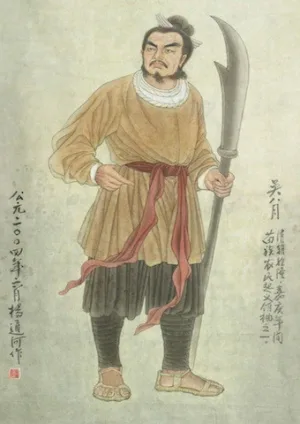
Wu Bayue (Vue Pa Yia): A Legendary Hmong Leader and Champion of Justice 

In one of the most oppressive times in Hmong history, a Hmong hero named Wu Bayue (Vue Paj Yias) arose. Wu Bayue led one of the bloodiest rebellions against the Qing government, known in history as the Great Miao Rebellion, in the early 19th century. He carries a weapon that is 45.5 kilograms; today, it is displayed at the Jishou Bau Wu Guan Museum in Jishou, Hunan province. It was one of the last Hmong conflicts with the Chinese government before many Hmong escaped to Southeast Asia. Wu Bayue lived in Ping Long village near today’s Feng Huang City, Hunan, China. He married the only daughter, Shi Kue, of a Hmong martial arts master named Shi Lao Xi. Wu Bayue was an intelligent, wise, and talented man. He learned martial arts, literature, and Hmong culture, including qi kong (khawv koob) and shamanism, from his father-in-law and heritage when his father-in-law passed away. Wu Bayue has four sons and one daughter. He was betrayed, captured, and executed on March 25, 1796. When he was captured, he solely took responsibility for the whole rebellion. He said he considered death as an escape from work to retirement. He was 67 years old.

Credit to President Adam Vue